
Cook Brilliantly Without Plastic
Today we dive into plastic-free kitchen alternatives for everyday cooking, celebrating clever tools, simple habits, and flavorful techniques that reduce waste without sacrificing convenience. From sturdy glass and steel to beeswax wraps and bulk staples, you’ll discover approachable swaps, warm stories, and practical tips that suit busy schedules, tight budgets, and curious palates, inspiring greener meals and happier routines.
Your First Steps to a Plastic-Free Kitchen
Start small to build momentum that actually lasts. Replace one container, one sponge, or one cling film roll, then celebrate the tiny victory. As your confidence grows, add new swaps. Share your progress with friends, ask questions in the comments, and subscribe for weekly ideas that keep motivation steady, budget-friendly, and deliciously practical.
Tools That Last: Glass, Steel, Wood, and Ceramic
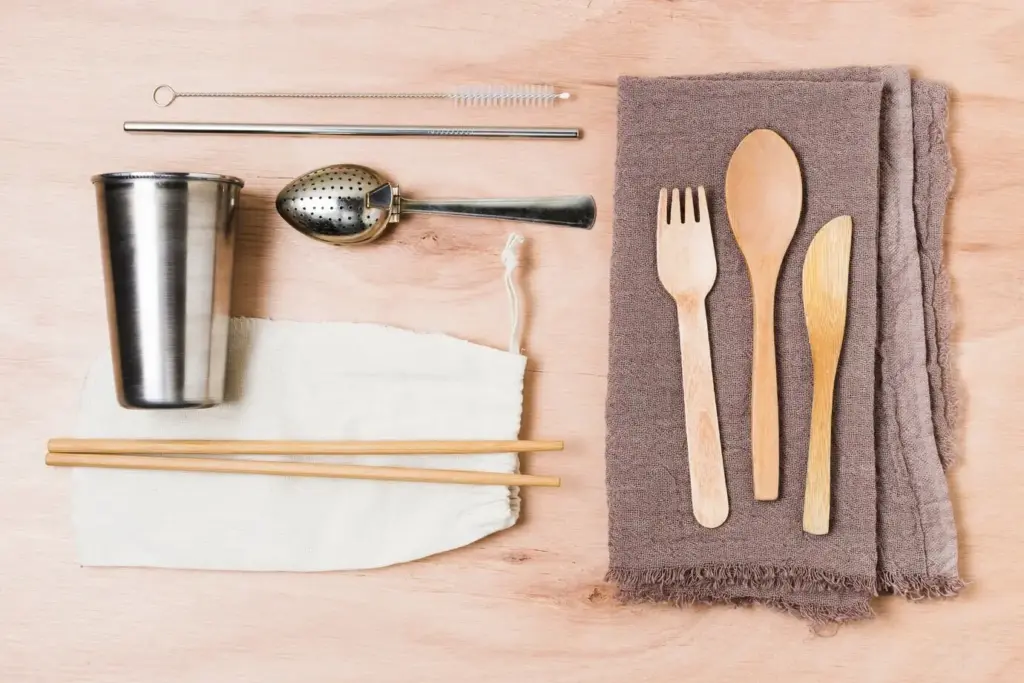
Choose materials that feel good in hand and age gracefully. Wood spoons develop a lived-in patina, stainless steel resists stains, glass reveals freshness at a glance, and ceramic bakes evenly. These materials handle heat with confidence, avoid off-flavors, and simplify cleaning. Over time, they tell a story of meals shared, repairs made, and waste avoided.
Cutting Boards and Utensils
Swap plastic spatulas for wood or stainless steel, and choose end-grain wooden boards that treat knives kindly while resisting deep grooves. Oil boards occasionally, hand wash utensils, and dry them upright. With care, these pieces last for years, reducing microplastic shedding, improving tactile pleasure while cooking, and turning prep time into a calmer ritual.
Pots, Pans, and Bakeware
Consider cast iron for searing and baking, carbon steel for quick responsiveness, stainless steel for bright sauces, and ceramic or glass for casseroles and pies. Season cast iron until it glides. Avoid mystery nonstick coatings when possible. Quality pieces reduce reliance on disposable liners, perform reliably under heat, and invite you to cook more intuitively.
Food Containers and Lunch Solutions
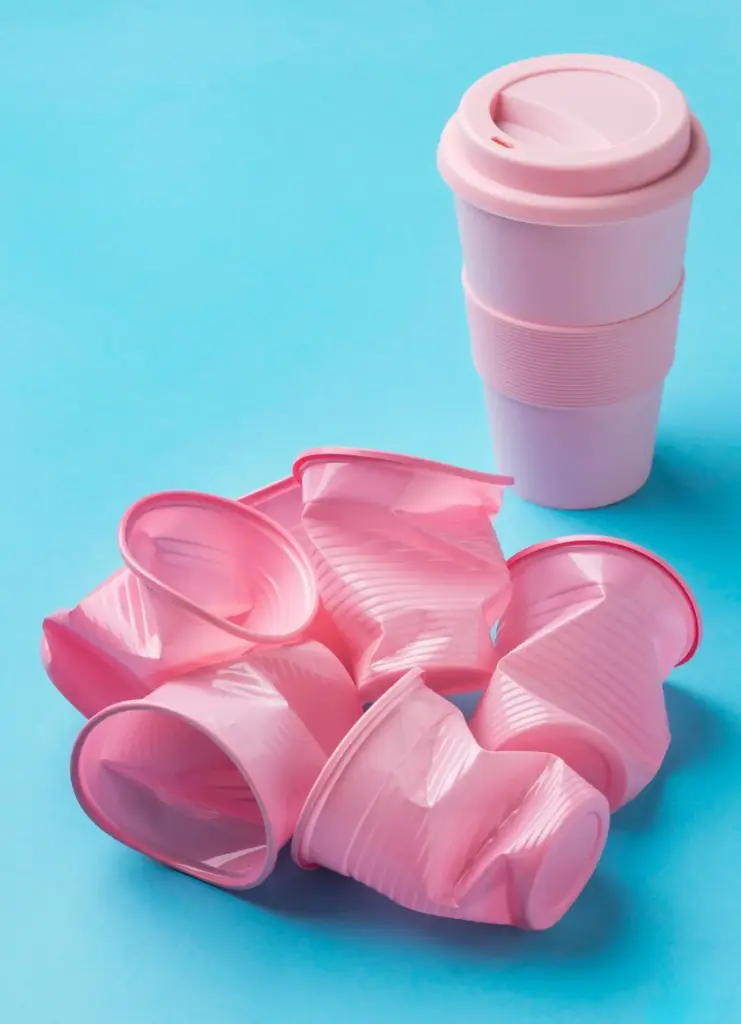
Rely on tempered glass for leftovers, stainless steel tins for snacks, and layered cloth wraps for sandwiches. Fit meals neatly into right-sized containers to minimize excess air and waste. Add leak-proof lids and elastic bands when traveling. These dependable containers simplify meal prep, protect flavors, and remove plastic taste from berries, soups, and salads.
Storage Without Plastic: Freshness, Freezers, and Fermentation
Keeping ingredients fresh is about airflow, temperature, and smart vessels. Use glass jars, ceramic crocks, beeswax wraps, and metal tins to preserve texture and taste. Freeze strategically, label dates clearly, and rotate containers. Explore fermenting to extend harvests, enhance nutrition, and unlock bright flavors that make leftovers feel exciting rather than obligatory.
Smarter Shopping and Pantry Building
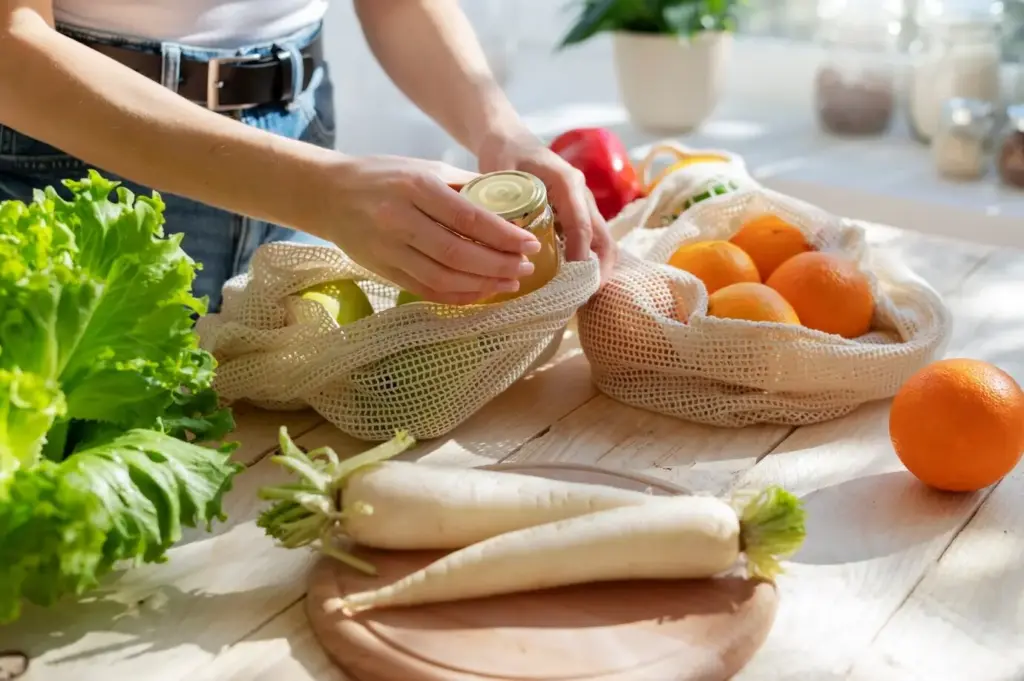
Plan meals before shopping, bring sturdy jars and cloth bags, and choose bulk sections where possible. Prioritize flexible staples—lentils, rice, oats, spices—that suit many recipes and reduce last-minute plastic purchases. Build relationships with vendors, ask about refill programs, and celebrate small wins. Your pantry becomes a creative studio where waste-free meals start themselves.
Cooking Techniques That Cut Packaging
Shift from buying individually wrapped shortcuts to making flavorful basics at home. Simmer stock from scraps, blend sauces from pantry staples, and bake snacks in batches. These rituals reduce plastic, strengthen skills, and deepen pleasure. Over time, convenience reappears—just prepared by you, labeled neatly, and ready whenever the week throws a surprise.

Make Your Own Staples
Whisk quick mayo in a jar, toast granola on a single tray, and blend oat milk in minutes. Craft spice pastes from dried herbs and citrus zest. These homemade basics slash packaging, tailor flavor, and cut additives. Keep simple recipes on your fridge, share jars with neighbors, and turn routine cooking into playful creativity.
Batch Cooking and Sharing
Choose a weekend hour to cook double: chili, roasted vegetables, or lentil stew. Portion into glass containers, label, and freeze. Trade portions with a friend to multiply variety without extra packaging. This rhythm creates calm weeknights, nudges healthier choices, and makes plastic-free living feel like community rather than solitary effort or sacrifice.
Clean-Up and Care the Natural Way
Keep sinks simple with biodegradable soap, a sturdy brush, and a washable cloth. Skip synthetic sponges that shed microplastics. Maintain cast iron with a quick oil rub, refresh wooden boards with lemon and salt, and line bins with newspaper. Care becomes ritual, tools last longer, and your kitchen smells fresh without artificial fragrances.
Dishwashing Without Microplastics
Choose natural fiber brushes, compostable scrub pads, and washable cotton cloths. Rinse quickly after meals to prevent scrubbing battles. A splash of hot water and patience beats harsh chemicals. Over weeks, you’ll notice fewer odors, clearer sink water, and a rhythm that respects your time, your drains, and the wider waterways we share together.

Counters, Ovens, and Fresh Scents
Wipe counters with diluted vinegar, citrus peels, and water in a reusable spray bottle. For ovens, sprinkle baking soda, mist lightly, and let time do the work. Simmer cinnamon sticks or herb stems for a welcoming aroma. These gentle methods protect surfaces, noses, and meals while reducing the parade of plastic bottles under the sink.
All Rights Reserved.